
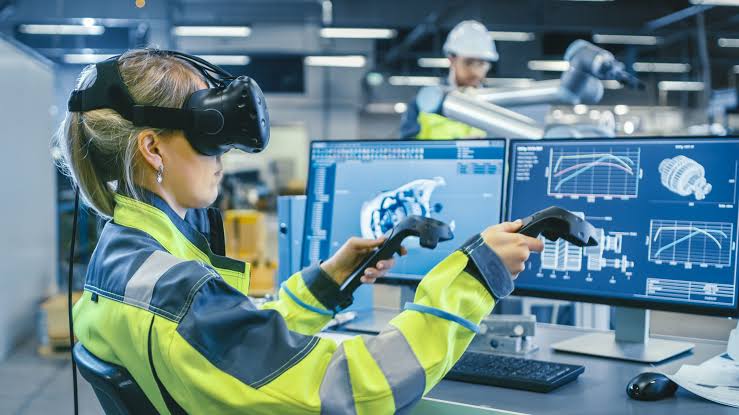
Modern industries are becoming increasingly dependent on real-time information to improve efficiency, reduce operational costs, and make better decisions. Traditional monitoring systems can track equipment performance and collect operational data, but they often provide limited insight into why something is happening or what might occur next. Digital twin technology addresses this challenge by creating a virtual representation of a physical object, machine, building, or entire industrial process. By connecting this virtual model to live data from the physical environment, organizations can monitor performance, identify unusual behavior, and understand changing conditions more effectively.
Digital twin systems are gaining attention across manufacturing, healthcare, energy, transportation, construction, and smart infrastructure. Their growing importance is closely connected to advances in artificial intelligence (AI), the Internet of Things (IoT), cloud computing, and edge processing. These technologies allow physical assets to continuously share information with their digital counterparts, making monitoring more responsive and useful. Instead of relying entirely on historical reports, businesses can observe current operating conditions and use simulations to evaluate possible outcomes before making important changes.
The discussion around digital innovation, including topics explored through techloomz com, reflects the increasing importance of connected systems and intelligent data analysis. Digital twins represent a practical example of how these technologies work together. They help organizations move beyond basic observation toward a more comprehensive understanding of their operations, supporting faster responses, more informed planning, and improved long-term performance.
What Are Digital Twin Systems?
A digital twin is a virtual model of a real-world asset, environment, or process that uses data to represent its condition and behavior. Unlike a conventional 3D model, which may simply illustrate the appearance of an object, a digital twin can incorporate information about temperature, pressure, vibration, energy consumption, operating speed, and other measurable characteristics. When connected to suitable data sources, it can reflect changes occurring in the physical system and provide a continuously updated view of its performance.
For example, a manufacturing company may create a digital twin of an industrial motor. Sensors installed on the motor collect information about vibration, temperature, rotational speed, and power consumption. The digital model uses this information to display operating conditions and compare current performance with expected behavior. If the motor begins vibrating more than usual, the system can highlight the change and help maintenance teams investigate the cause. This combination of physical equipment, live data, and analytical modeling makes digital twins particularly valuable for complex operations.
How Digital Twin Systems Enable Real-Time Monitoring
Real-time monitoring depends on collecting, processing, and interpreting information quickly enough to support timely decisions. Digital twin systems bring these activities together by linking physical assets with digital models through connected sensors, communication networks, and analytical software. As new information becomes available, the virtual representation can update to reflect changing conditions. Depending on the system’s design, updates may occur continuously, every few seconds, or at longer intervals appropriate to the application.
The process typically begins with sensors installed on physical equipment or within an operating environment. These devices measure relevant conditions and transmit the readings to a data platform. The platform processes the information and updates the digital twin, where dashboards, visualizations, and analytical tools help users understand performance. If the system identifies a deviation from expected operating conditions, it can generate an alert or recommend further investigation. The result is a monitoring process that connects physical activity with useful digital insight.
A key advantage is the ability to view several operating variables together. A machine may appear to function normally when assessed through temperature alone, while a combination of increasing vibration, unusual energy consumption, and rising temperature may indicate a developing problem. A digital twin can bring these signals into a shared operational picture, helping teams recognize patterns that isolated monitoring tools might overlook.
Key Technologies Behind Digital Twin Systems
Digital twins rely on several complementary technologies. IoT sensors provide information from physical assets, while communication networks transfer the information to systems that can process it. Cloud platforms support data storage, collaboration, and large-scale analysis, while edge computing enables certain calculations to occur close to the equipment. Artificial intelligence and machine learning can help identify patterns, detect anomalies, and estimate how operating conditions may change.
Three-dimensional visualization and engineering simulation also play important roles in many applications. A digital twin may include a detailed visual representation of a building, production line, or machine, allowing users to understand the location and context of an issue. However, not every digital twin requires sophisticated 3D graphics. Some systems use dashboards, mathematical models, equipment diagrams, or data-driven simulations. The appropriate design depends on the monitoring objectives, available data, operational risks, and the decisions users need to make.
Applications of Digital Twin Systems Across Industries
1. Manufacturing and Industrial Operations
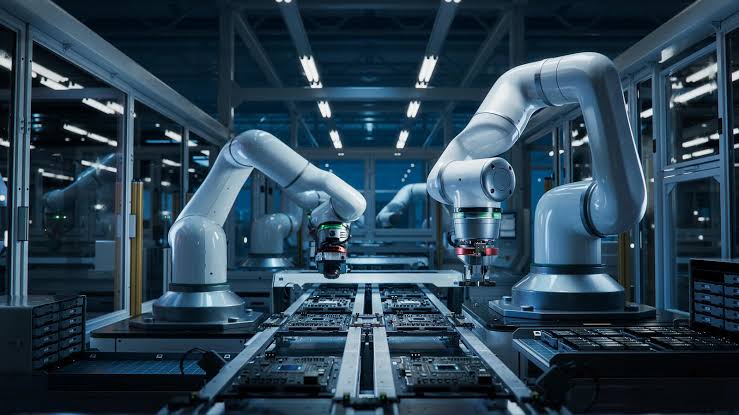
Manufacturing is one of the most established areas for digital twin adoption because production facilities contain interconnected machines, automated systems, and processes that require continuous supervision. A digital twin can represent an individual machine, an entire production line, or a complete factory. By analyzing equipment performance, production speed, material flow, and energy consumption, manufacturers can identify inefficiencies and understand how operational changes affect overall output. For example, if a production line experiences repeated delays, its digital twin can help engineers examine machine utilization, processing times, and bottlenecks to determine where improvements are needed.
Digital twins also support production planning by allowing engineers to test adjustments in a virtual environment before applying them to physical equipment. A manufacturer could simulate a change in production speed to determine whether it might increase output without creating excessive wear or compromising product quality. These capabilities make digital twins useful for improving operational visibility, reducing unplanned downtime, and supporting more consistent production. As connected manufacturing expands, the integration of AI and real-time analytics is expected to make these systems more adaptable to changing production requirements.
2. Smart Buildings and Infrastructure
Buildings contain complex systems for heating, ventilation, air conditioning, lighting, security, and electricity distribution. A digital twin can combine information from these systems to create a comprehensive view of building performance. Facility managers can monitor indoor temperatures, equipment status, energy consumption, and occupancy patterns through a centralized interface. This makes it easier to identify inefficient operations, investigate comfort issues, and coordinate maintenance activities.
For example, a commercial building may experience unusually high electricity consumption during periods of low occupancy. Its digital twin can help facility managers compare energy usage with operating schedules, equipment settings, and environmental conditions. The resulting analysis may reveal opportunities to adjust heating or cooling schedules without affecting occupant comfort. Similar approaches can support the management of airports, hospitals, transport networks, and large commercial developments, where understanding the relationship between different systems is essential for reliable operations.
3. Energy and Renewable Power
Energy providers must balance generation, distribution, demand, and equipment reliability. Digital twins can help operators monitor turbines, transformers, solar installations, battery storage systems, and other infrastructure. By combining sensor readings with weather information, operating records, and engineering models, these systems can provide a clearer picture of asset performance. In renewable energy, this can be particularly useful because electricity generation often depends on changing environmental conditions.
A digital twin of a wind turbine, for instance, can combine wind speed, blade performance, vibration, and temperature measurements to assess operating conditions. If the system identifies an unusual pattern, technicians can investigate before a minor issue develops into a major equipment failure. In solar installations, digital models can help compare expected electricity generation with actual output and identify possible performance losses. These applications can improve maintenance planning and support more effective use of energy infrastructure.
4. Healthcare and Medical Equipment
Digital twin technology is also being explored in healthcare, although its applications vary considerably in maturity. Hospitals can use digital representations of buildings, equipment, and operational processes to monitor resource availability, maintenance requirements, and patient-flow patterns. For example, a hospital operations twin could help administrators understand how patient arrivals, bed availability, staffing levels, and discharge schedules affect demand across departments.

More advanced research explores digital representations of human organs and physiological systems. These models may combine medical imaging, clinical measurements, and computational simulations to investigate how particular conditions or treatments could affect an individual. However, such applications require careful validation and appropriate clinical oversight. A digital model should not automatically be treated as a complete or perfectly accurate representation of a person’s health. In practical healthcare environments, data protection, reliability, and patient safety remain essential considerations.
Benefits of Real-Time Digital Twin Monitoring
The value of a digital twin depends on how effectively it converts operational data into actionable information. Simply creating a virtual model does not guarantee better performance. The strongest results occur when the system addresses a clearly defined problem, uses reliable data, and provides information that employees can apply in their daily work.
One important benefit is improved visibility. Instead of reviewing separate reports from different departments, teams can examine relevant information within a shared digital environment. This can reduce the time required to understand operational problems and help employees coordinate their responses. Digital twins can also support predictive maintenance by identifying changes that may indicate developing equipment faults. Although predictions are not always correct, early warnings can give maintenance teams more time to investigate and plan repairs.
Another advantage is the ability to test potential decisions without immediately changing the physical system. Engineers can evaluate alternative operating conditions, examine possible consequences, and compare scenarios before selecting an approach. The following table summarizes several practical benefits.
| Benefit | How it helps | Example |
|---|---|---|
| Real-time visibility | Shows current operating conditions | Monitoring factory equipment |
| Predictive maintenance | Identifies possible signs of failure | Detecting unusual motor vibration |
| Operational efficiency | Reveals waste and bottlenecks | Improving production scheduling |
| Scenario testing | Evaluates changes before implementation | Simulating building energy use |
| Resource planning | Supports better allocation | Managing hospital equipment |
For readers following emerging technology discussions through techloomz com, these benefits illustrate why digital twins are becoming relevant to organizations seeking more intelligent monitoring systems. Their contribution is not limited to collecting additional data. They help connect information with operational context, allowing people to understand what is happening, why it may be happening, and what actions deserve consideration.
Challenges in Implementing Digital Twin Systems
Despite their potential, digital twin projects can be difficult to implement. One of the biggest challenges is data quality. If sensors provide inaccurate measurements, communication systems lose information, or different platforms use incompatible formats, the digital twin may produce an incomplete picture of the physical asset. Organizations must establish reliable data collection, validation, and integration processes before expecting meaningful results.
Another challenge is the cost and complexity of implementation. Developing a useful digital twin may require sensors, software, engineering expertise, cybersecurity controls, and ongoing maintenance. A highly detailed model of an entire facility can demand substantial investment, particularly when older equipment was not designed to communicate with modern digital platforms. Businesses should therefore begin with a clearly defined use case rather than attempting to create a comprehensive twin of every asset at once.
Security is equally important because connected systems may contain sensitive operational information or provide access to critical infrastructure. Unauthorized access, compromised sensors, and insecure connections could affect both digital records and physical operations. Organizations need appropriate access controls, network segmentation, encryption, monitoring, and incident-response procedures. They must also determine which systems are permitted to send commands to physical equipment and which are restricted to observation and analysis.
How AI Is Improving Digital Twin Capabilities
Artificial intelligence is expanding the analytical capabilities of digital twin systems. Traditional monitoring often depends on predefined thresholds, such as generating an alert when a machine exceeds a specified temperature. AI-based approaches can examine relationships among multiple variables and learn patterns associated with normal or abnormal behavior. This can help identify subtle changes that might not trigger a simple threshold-based warning.
Machine learning models can also support forecasting by analyzing historical performance alongside current conditions. For example, an industrial system may estimate how operating temperature, workload, and vibration could develop over time. Engineers can use these estimates to prioritize inspections or investigate unusual patterns. However, AI-generated predictions depend on the quality and relevance of the available data. Models may struggle when equipment changes significantly, operating conditions differ from historical examples, or unexpected events occur.
Another developing area is the use of AI assistants to make digital twin information easier to interpret. Instead of examining multiple dashboards, an operator may be able to ask which machines have shown unusual energy consumption or which assets require inspection. A well-designed system can summarize relevant measurements and identify supporting evidence. Human review remains important, particularly when recommendations could affect safety, production quality, or expensive equipment.
Steps for Building an Effective Digital Twin Strategy
Organizations do not need to begin with a complex, enterprise-wide implementation. A focused project can provide useful experience, reveal data gaps, and establish whether the technology delivers measurable operational value. The following steps offer a practical starting point:
-
Define a specific objective: Identify a problem such as unexpected downtime, excessive energy use, or limited equipment visibility.
-
Select the right asset: Choose a machine, facility, or process with accessible data and a clear operational benefit.
-
Establish reliable data connections: Verify sensor accuracy, communication reliability, and compatibility with existing systems.
-
Measure performance: Compare results against baseline indicators such as downtime, energy consumption, or maintenance costs.
Once the initial project demonstrates value, the organization can expand the approach to other assets or departments. This gradual strategy helps teams develop the technical skills and operational processes required for long-term success. It also makes investment decisions easier to justify because each expansion can build on evidence gathered from earlier implementations.
The Future of Digital Twin Systems for Real-Time Monitoring
The future of digital twins will likely involve closer integration with edge computing, advanced AI, connected devices, and increasingly automated industrial systems. Edge processing can reduce the time required to analyze certain measurements by handling them near the physical equipment. This is particularly useful when rapid responses are important or when network connectivity is unreliable. Cloud platforms, meanwhile, can support broader analysis across multiple locations and help organizations compare performance over longer periods.
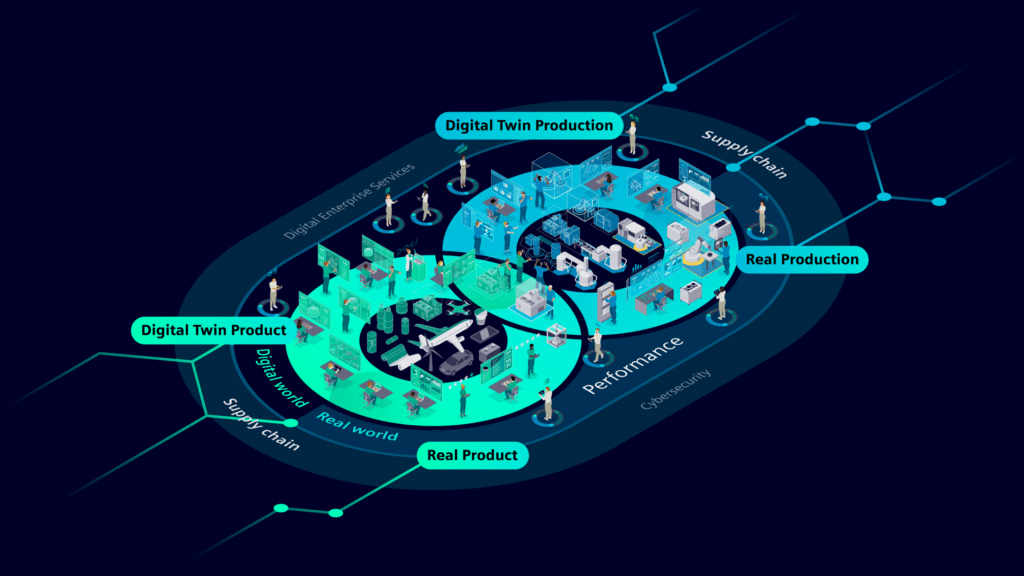
Another important development is the movement toward interconnected digital twins. Instead of modeling individual machines or buildings in isolation, organizations can connect models representing suppliers, production facilities, transport networks, and energy systems. This can help reveal how a change in one part of an operation affects other areas. For example, a manufacturing twin connected with inventory and logistics systems could help planners understand how a production delay might influence delivery schedules and resource requirements.
Nevertheless, the future of digital twin technology will depend on practical implementation rather than technological sophistication alone. Organizations will need trustworthy data, clear governance, skilled employees, and realistic expectations. Not every process requires a highly detailed simulation, and not every monitoring problem requires AI. The most useful systems will be those designed around specific operational needs and maintained as physical assets and business requirements evolve.
Conclusion
Digital twin systems are transforming real-time monitoring by connecting physical assets with digital representations that can reflect changing conditions, reveal performance patterns, and support informed decisions. Their applications across manufacturing, energy, healthcare, and smart infrastructure demonstrate how connected data can improve operational visibility and maintenance planning. When combined with AI, IoT sensors, and suitable analytical tools, digital twins can also help organizations investigate potential problems and evaluate possible improvements before making physical changes.