

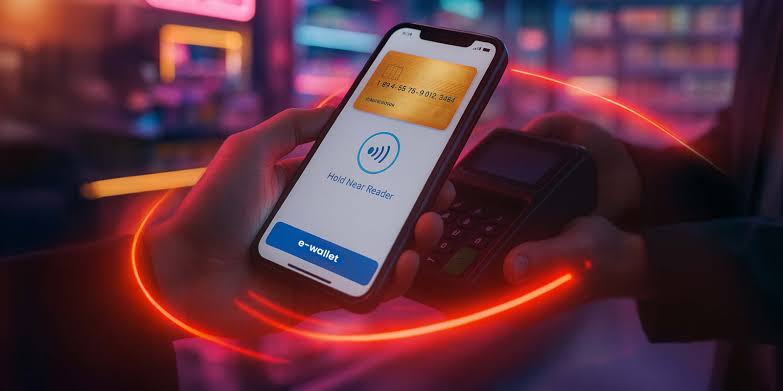
Digital payments have become an essential part of everyday life, making it easier to shop online, pay utility bills, transfer money, and complete purchases without carrying physical cash. From scanning QR codes at local stores to paying for subscriptions and ordering products through mobile applications, digital wallets offer speed and convenience. However, this convenience also creates new security challenges. Stolen credentials, fraudulent payment requests, malicious applications, and social engineering scams can expose users to financial losses if they do not follow appropriate safety practices. Understanding digital wallet security is therefore important for anyone who relies on electronic payments.
A digital wallet is an application or electronic service that stores payment information and helps users make transactions through smartphones, computers, smartwatches, or other supported devices. Some wallets connect directly to bank accounts, while others store prepaid balances, payment tokens, or card information. Although many providers use encryption, authentication, and fraud monitoring, no payment system can eliminate every risk. The protection users receive also depends on their devices, account settings, transaction habits, and ability to recognize suspicious activity.
Digital wallet safety is not simply about choosing a popular payment application. It involves understanding how transactions work, protecting personal information, checking payment requests, and responding quickly when something seems wrong. The principles discussed in this guide, including those relevant to readers exploring techloomz com, can help individuals develop safer digital payment habits and make informed decisions when managing money online.
Understanding How Digital Wallets Work
Digital wallets simplify payment processes by allowing users to complete transactions electronically instead of repeatedly entering card details or carrying cash. Depending on the service, a wallet may use near-field communication for contactless payments, QR codes for merchant transactions, or a payment gateway for online purchases. Some wallets also support bank transfers and peer-to-peer payments. In India, for example, users may interact with UPI-enabled payment applications, mobile wallets, and tokenized debit or credit cards, although these services do not all operate in the same way.
When a user initiates a transaction, the wallet communicates with the relevant payment infrastructure to authorize and process the payment. Security measures may include device verification, transaction authentication, encryption, and tokenization. Tokenization replaces sensitive card information with a substitute value, reducing the need to expose the original card number during supported transactions. However, these protections do not automatically prevent users from authorizing fraudulent transfers or revealing verification codes to scammers. A secure payment system still requires careful decisions from the person using it.
Why Digital Wallet Safety Matters Today
The growing use of digital payments has created more opportunities for fraudsters to target consumers. Scammers may impersonate bank employees, customer support representatives, online sellers, delivery companies, or government officials. Their messages often create urgency by claiming that an account will be blocked, a payment has failed, or a refund must be processed immediately. Under pressure, users may disclose confidential information or approve transactions without verifying the request.
Another challenge is that financial fraud does not always involve sophisticated hacking. A criminal may simply persuade someone to share a one-time password, enter a payment PIN into a fake interface, install a harmful application, or scan a QR code associated with an unintended payment. These methods exploit trust and confusion rather than weaknesses in the wallet’s technical infrastructure. Understanding this distinction is essential because installing a reputable payment application alone cannot protect someone from every form of deception.
Digital wallet safety also matters because financial accounts are increasingly connected to other digital services. A compromised email account or phone number may help an attacker attempt password resets or impersonate the account holder. Protecting the wallet therefore requires a broader approach that includes securing the associated email account, smartphone, SIM card, and banking credentials.
Common Digital Wallet Security Threats
Phishing Messages and Fake Payment Notifications
Phishing occurs when criminals create deceptive messages or websites designed to steal information. A user might receive a text message claiming that a wallet account requires verification or an email warning about an unfamiliar transaction. The message may include a convincing company logo, official-sounding language, and a request to act immediately. If the recipient follows the instructions without checking their authenticity, confidential information may be exposed.
Fake payment notifications are another common problem, especially for people selling products online. A fraudster may show a fabricated payment confirmation or claim that money has been transferred when the recipient’s account shows no corresponding credit. Sellers should verify payments through their own trusted banking or payment application rather than relying on screenshots, emails, or messages supplied by the buyer.
Malicious Applications and Compromised Devices
Applications downloaded from unofficial sources may contain spyware, credential-stealing software, or other harmful components. Some applications request unnecessary permissions that allow them to access messages, contacts, accessibility features, or sensitive device information. If a malicious application gains sufficient access, it may help criminals monitor activity or manipulate users into approving transactions.
Keeping the operating system and applications updated reduces exposure to known security weaknesses. Users should download financial applications from trusted app stores, verify the publisher, review permissions, and remove software they no longer need. Devices that have been rooted or jailbroken may also lose important built-in protections, depending on their configuration and the applications involved.
Social Engineering and Unauthorized Transactions
Social engineering involves manipulating people into revealing information or performing actions that benefit a criminal. An attacker may pretend to be a bank representative and ask the user to confirm a transaction PIN, share an OTP, or install a remote-access application. The caller might know a few personal details, making the request seem legitimate.
A particularly important distinction concerns payment authorization. Receiving money generally does not require a person to disclose their payment PIN or approve an unrelated payment request. In UPI transactions, entering a UPI PIN typically authorizes a payment or another supported action that requires authentication. Users should read the on-screen instructions carefully and never approve a request merely because someone claims it is necessary to receive a refund or prize.
Essential Practices for Protecting Digital Wallets
Strong security habits reduce the likelihood of unauthorized access and accidental payments. The most effective approach combines technical safeguards with consistent attention to transaction details. Even when a wallet provides advanced protection, users should avoid treating every notification, caller, or payment request as trustworthy.

The following practices provide a practical starting point for improving everyday payment security:
-
Use strong authentication: Set a unique device passcode and enable biometric authentication or additional account verification where supported.
-
Protect confidential information: Never disclose payment PINs, passwords, or OTPs to callers, messages, or people claiming to provide customer support.
-
Install trusted software: Download wallet applications from verified sources and install operating system and security updates promptly.
-
Review transactions regularly: Check payment histories, account balances, and transaction alerts for unfamiliar activity.
-
Secure your phone number: Protect your SIM card and contact your mobile provider promptly if your phone unexpectedly loses network service or appears to have been compromised.
These measures are useful because they address different stages of a potential attack. Strong authentication makes unauthorized access harder, while transaction monitoring can help users identify suspicious activity early. Software updates address known vulnerabilities, and careful verification reduces the likelihood of being manipulated into approving a fraudulent payment.
Comparing Digital Wallet Security Features
Different payment services offer different safeguards, and the features available may depend on the provider, device, country, and transaction type. Users should understand what each feature does instead of assuming that every wallet offers identical protection.
| Security feature | Main purpose | Recommended user action |
|---|---|---|
| Biometric authentication | Verifies identity using a supported physical characteristic | Enable it on a trusted, protected device |
| Encryption | Helps protect information while it is stored or transmitted, depending on implementation | Use updated applications and secure connections |
| Tokenization | Replaces supported payment credentials with substitute values | Prefer tokenized card payments when available |
| Transaction alerts | Notifies users about payment activity | Enable alerts and investigate unfamiliar transactions |
| Spending and account controls | May limit certain transactions or account activities | Review available limits and adjust them appropriately |
| Device and account verification | Helps establish whether access comes from an authorized user or device | Keep recovery details accurate and secure |
These features work best when combined. For example, tokenization can reduce the exposure of card information, but it cannot prevent someone from being tricked into sending money to a scammer. Likewise, transaction alerts may reveal suspicious activity, but they are only useful when the user notices and responds to them. Before selecting a payment service, review its security settings, dispute procedures, account recovery options, and available methods for reporting fraud.
How to Make Online Payments More Secure
Verify the Recipient Before Confirming a Payment
One of the simplest ways to avoid payment mistakes is to verify the recipient’s details before authorizing a transaction. When paying a merchant, check the displayed business name, payment amount, and purpose of the request. For transfers to individuals, confirm the recipient’s identity through a separate trusted communication method when appropriate. This is particularly important when someone sends new bank details or requests an unexpected transfer.
QR codes also deserve careful attention. A QR code can initiate a payment process, but its appearance does not prove that the recipient is legitimate. Scammers may replace genuine codes with fraudulent ones or persuade users to scan codes under misleading circumstances. Before confirming, inspect the name and amount displayed in the payment application. Cancel the transaction if the information does not match your intention.
Use Secure Networks and Trusted Devices
Public Wi-Fi networks can create additional privacy risks, especially when users connect to unfamiliar hotspots or ignore security warnings. Although modern payment applications commonly use protected connections, users should avoid installing applications, changing sensitive account settings, or accessing financial services through suspicious networks and devices. A trusted mobile data connection or a known, password-protected network is generally a better choice.
Device security is equally important. Enable automatic locking, use a strong screen lock, and avoid leaving an unlocked phone unattended. If your phone is lost, use the device manufacturer’s official recovery tools where available, contact your mobile provider if necessary, and notify your bank or payment provider if financial accounts may be exposed. The faster you restrict access, the less opportunity an unauthorized person may have to misuse the device.
Understand Payment Requests and Refund Procedures
Fraudsters frequently exploit confusion between sending and receiving money. They may claim that a customer must approve a payment request to collect a refund or receive a prize. In reality, the required process depends on the payment service, and a request to send money should never be mistaken for proof that money will arrive.
When dealing with refunds, use the merchant’s established process and check the transaction status inside the relevant application. Do not install remote-access software at the request of an unknown caller or share screen access with someone who claims to be resolving a payment issue. If a refund appears delayed, contact the provider through its independently verified support channels rather than following instructions from an unsolicited message.
Building Safer Digital Payment Habits in India
India’s digital payment environment includes UPI, bank applications, prepaid wallets, and card-based services. Each has its own authorization process and security controls, so users should learn the requirements of the specific service they use. A UPI PIN, for instance, is different from a phone’s screen-lock PIN, and neither should be disclosed to another person. Users should also understand the difference between a pending transaction, a completed payment, and a failed transaction before attempting to pay again.
For readers interested in practical technology guidance through techloomz com, an important principle is to separate verified payment information from claims made by strangers. A caller’s knowledge of a transaction reference or partial personal information does not establish that the caller represents a bank. Similarly, a message containing official-looking branding does not guarantee that it originated from the organization it names.
If a suspicious transaction occurs, preserve relevant details such as the transaction reference, amount, date, time, and messages associated with the incident. Contact the bank or payment provider immediately using an independently verified channel. In India, suspected financial cyber fraud can also be reported through the official national cybercrime reporting system, and the cybercrime helpline 1930 is available for reporting financial cyber fraud. Acting quickly may improve the chances of timely intervention, although recovery is not guaranteed.
Protecting Digital Wallet Privacy
Payment safety includes privacy as well as preventing unauthorized transactions. Financial applications may collect information about transactions, devices, account activity, and usage patterns, depending on their features and privacy policies. Users should review the permissions requested by an application and determine whether each permission is necessary for its intended function. A payment service may need certain information to operate, but unrelated access to contacts, photos, or location should be considered carefully.
Publicly sharing payment screenshots can also create unnecessary risks. Such images may reveal names, transaction references, account details, phone numbers, or other information that could help someone attempt impersonation. Before sharing a screenshot for support or recordkeeping, remove information that is not required. Users should also avoid posting wallet balances or transaction details publicly, especially when those details could be combined with other personal information.
Privacy settings should be reviewed periodically because applications may introduce new features or change their permission requirements. Use account recovery methods that you control, protect the email address associated with financial services, and avoid reusing passwords across unrelated accounts. These steps help reduce the chance that a problem in one service will affect access to other important accounts.
What to Do If Your Digital Wallet Is Compromised
Discovering an unfamiliar transaction or losing access to a wallet can be stressful, but a structured response is more effective than reacting to unsolicited calls or messages. First, contact the bank or payment provider through a trusted channel and report the suspicious activity. Depending on the service, you may be able to block a card, disable certain payment functions, suspend access, or secure the account. Change compromised credentials from a trusted device and review other accounts that use the same password.
Next, preserve evidence. Keep transaction references, relevant notifications, screenshots, and communications that may help the provider investigate the incident. Do not delete useful records before documenting them, and avoid paying anyone who promises guaranteed recovery of stolen funds. Fraud victims are sometimes targeted again by people pretending to be investigators or recovery specialists.
If your phone or SIM card has been stolen, secure the device and contact the mobile provider to reduce the risk of misuse. Ask the bank or wallet provider about its formal complaint and dispute process, including any applicable reporting deadlines. If you are in India and suspect financial cyber fraud, report it promptly through the appropriate official channels, including helpline 1930. Follow the instructions provided by your bank and the relevant authorities, and retain complaint numbers for future reference.
The Future of Digital Wallet Security
Digital payment security continues to evolve as providers introduce stronger authentication, improved fraud detection, risk-based verification, and more sophisticated monitoring systems. Artificial intelligence can help identify unusual transaction patterns, suspicious login behavior, or activity that differs from a customer’s normal usage. However, automated systems may produce false alarms or miss emerging scams, which means human judgment and effective reporting processes remain important.
Passkeys, device-bound credentials, and other authentication improvements may also reduce reliance on traditional passwords in supported services. Tokenization and secure device hardware can provide additional protection for eligible transactions. The exact benefits depend on implementation, so users should evaluate the safeguards actually offered by their chosen provider rather than assuming that a newer feature guarantees complete security.
Conclusion
Digital wallets offer an efficient way to manage everyday payments, but safe usage requires more than downloading an application and setting a PIN. Users need to protect their devices, verify recipients, recognize phishing attempts, avoid sharing confidential information, and monitor transactions consistently. Understanding the difference between receiving money and authorizing a payment is particularly valuable when dealing with QR codes, refunds, and unexpected payment requests.