

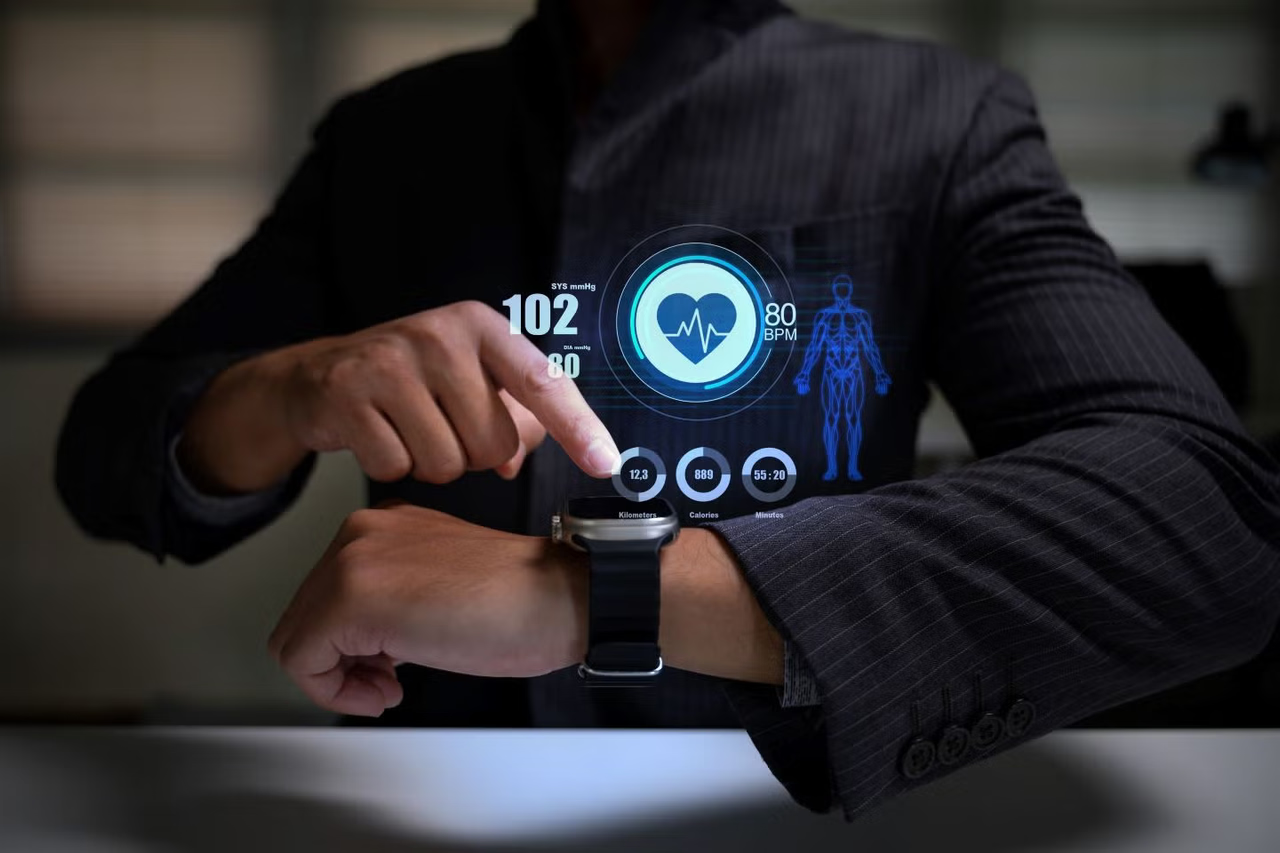
Wearable health technology is changing how people understand their bodies, manage daily wellness, and make informed decisions about their health. From smartwatches that monitor heart rate to advanced sensors that track sleep patterns and physical activity, these devices are becoming an important part of modern life. Instead of relying entirely on occasional measurements, users can now observe certain health-related patterns throughout the day. This shift toward continuous monitoring is creating new opportunities for people to develop healthier routines and recognize changes that may deserve professional attention.
The growing interest in connected healthcare reflects a broader movement toward personalized, data-driven wellness. People increasingly want convenient ways to understand their activity levels, recovery, sleep quality, and other aspects of everyday health. The technology discussed through techloomz com fits into this wider conversation about digital innovation and accessible personal health information. However, wearable devices are not simply fitness accessories. Their development also raises important questions about measurement accuracy, personal privacy, medical reliability, and the responsible use of health data.
As sensors become smaller and software becomes more sophisticated, wearable devices are gaining capabilities that extend beyond counting steps. Some products can identify irregular heart rhythms, estimate blood oxygen levels, record skin temperature trends, or support people managing specific health conditions. These capabilities vary considerably between devices, and not every feature is intended for medical diagnosis. Understanding the opportunities and limitations of this technology is essential for consumers who want to benefit from digital health tools without treating every reading as a definitive medical result.
Understanding Wearable Health Technology
Wearable health technology includes electronic devices designed to collect information about physical activity, physiological signals, or other health-related measurements while being worn on the body. Smartwatches, fitness bands, smart rings, continuous glucose monitors, and certain medical monitoring patches are common examples. Depending on their design, these products use optical sensors, electrical signals, temperature sensors, accelerometers, and other components to collect data and translate it into information that users can understand.
For example, a smartwatch may use optical sensors to estimate heart rate by detecting changes in blood flow near the skin. An accelerometer can measure movement, helping the device estimate steps, activity intensity, and periods of rest. Some devices combine several measurements to estimate sleep stages or recovery patterns. These estimates can be useful for observing trends, but they are not equally accurate in every situation. Movement, skin contact, device placement, and individual differences can affect readings, making it important to understand what a particular measurement actually represents.
The broader value of wearable technology lies in the ability to connect daily habits with measurable patterns. A person who regularly reviews activity and sleep data may discover that late-night screen use coincides with shorter sleep or that regular walking improves their consistency in meeting movement goals. These observations can encourage practical changes without requiring users to become experts in medical science. Technology-focused discussions associated with techloomz com can help readers explore how such innovations fit into the changing relationship between personal wellness and digital tools.
How Smart Sensors Are Improving Health Monitoring
Continuous Heart Rate and Rhythm Tracking
Heart rate monitoring is one of the most familiar features of wearable devices. Optical sensors estimate pulse by measuring changes in blood volume beneath the skin. Users can review their resting heart rate, observe how their pulse changes during exercise, and examine general patterns over time. Some advanced devices also provide electrocardiogram functionality, which records electrical signals associated with the heart’s activity and may help identify signs of certain rhythm abnormalities.
These capabilities can support awareness, but their limitations matter. A high heart rate during exercise is not automatically a warning sign, just as a normal reading does not guarantee that the heart is healthy. Optical readings may become less reliable during intense movement, and rhythm notifications generally require further clinical assessment. People experiencing chest pain, fainting, severe breathlessness, or other concerning symptoms should seek appropriate medical care rather than relying on a wearable reading to determine whether treatment is necessary.
Sleep, Temperature, and Recovery Insights
Sleep tracking has become another important feature of consumer wearables. Devices commonly estimate sleep duration by combining movement data with heart rate and other signals. Some also estimate different sleep stages, helping users explore patterns across several nights. These estimates can provide a useful overview of sleep routines, although they do not replace a clinical sleep study when a sleep disorder is suspected.
Temperature sensors can identify changes relative to an individual’s usual baseline, while activity and heart rate measurements may help estimate recovery after exercise. Such information can be valuable when considered over time rather than as isolated numbers. A single unusual reading might reflect environmental conditions, illness, stress, or measurement error. By presenting these measurements together, wearable platforms can encourage users to consider broader patterns instead of making conclusions from one data point.
Major Innovations Shaping the Wearable Health Market
Wearable health products are evolving through improvements in sensor design, battery efficiency, wireless communication, artificial intelligence, and software integration. These developments are making devices more convenient while expanding the range of measurements they can collect. The following table summarizes several important categories and their practical applications.
| Technology | Main application | Important limitation |
|---|---|---|
| Optical heart sensors | Pulse and activity monitoring | Accuracy may vary with movement and fit |
| ECG-enabled wearables | Recording certain heart rhythm signals | Not a complete cardiac examination |
| Continuous glucose monitors | Measuring glucose trends through a sensor | Requires appropriate use and interpretation |
| Sleep tracking systems | Estimating sleep duration and patterns | Consumer estimates are not equivalent to sleep studies |
| Smart rings | Tracking selected wellness indicators | Available features vary by model |
| AI-supported analytics | Identifying patterns in collected data | Results depend on data quality and validated algorithms |
Artificial Intelligence and Personalized Insights
Artificial intelligence is increasingly used to interpret information collected by wearable devices. Rather than presenting every measurement independently, software can analyze patterns in activity, sleep, and heart rate to produce summaries or personalized suggestions. For instance, an application might encourage a user to maintain a consistent bedtime after identifying repeated differences in sleep duration. Another might suggest adjusting exercise intensity after several days of reduced activity or elevated resting heart rate.
The usefulness of these recommendations depends on the quality of the underlying information and the reliability of the algorithms. A system may mistake an unusual routine for a meaningful health pattern, particularly when it lacks context about medication, illness, work schedules, or environmental conditions. AI-generated insights should therefore be understood as decision-support information rather than unquestionable medical guidance. As interest in techloomz com and emerging digital technologies grows, responsible AI design remains an important part of the discussion around trustworthy wearable health innovation.
The Role of Wearables in Preventive Healthcare
Preventive healthcare focuses on reducing health risks and identifying potential concerns before they become more serious. Wearables can contribute to this approach by helping people observe everyday patterns that might otherwise go unnoticed. Regular activity tracking, for example, may encourage someone with a sedentary routine to take more walking breaks. Sleep summaries can help people recognize inconsistent bedtimes, while selected heart monitoring features may prompt users to discuss recurring abnormalities with a healthcare professional.
However, prevention involves much more than collecting information. People also need understandable guidance, access to appropriate medical services, and realistic opportunities to change their habits. A device that identifies a potential concern has limited value if its notifications are confusing or if the user cannot access follow-up care. Wearables work best when they support sensible decisions instead of creating anxiety about every fluctuation in the body’s measurements.
Supporting Long-Term Lifestyle Changes
One of the practical advantages of wearable devices is their ability to turn broad wellness goals into measurable daily activities. Instead of simply deciding to become more active, a user can establish a realistic walking target and gradually increase it. Someone trying to improve sleep consistency can compare bedtime patterns across several weeks. People exercising regularly may also use heart rate trends and activity summaries to understand how their routines change over time.
These tools can make progress more visible, but goals should be adapted to individual circumstances. A high step count is not necessarily appropriate for everyone, and wearable calorie estimates should not be treated as exact measurements of energy expenditure. Individuals with disabilities, chronic conditions, or specific medical requirements may need different activity targets. The most meaningful measure of success is whether the technology supports sustainable habits and overall well-being, rather than whether a person achieves an arbitrary score.
Remote Patient Monitoring and Connected Healthcare
Wearable health technology is also expanding the possibilities for remote patient monitoring. In suitable clinical programs, connected devices can transmit selected measurements to healthcare professionals, allowing them to review information collected outside hospitals and clinics. This approach may be useful for people who need regular observation of particular health indicators or who face difficulties attending frequent appointments.
Remote monitoring can help clinicians identify changes that warrant further assessment, but it requires a carefully designed care process. Medical teams need to decide which measurements matter, how often information should be reviewed, and what actions should follow an abnormal result. Patients must also understand how to use the equipment and what to do when symptoms develop. A wearable should not be assumed to provide continuous emergency supervision simply because it can collect measurements throughout the day.
Wearables for Chronic Condition Management
Some wearable technologies have more specific clinical purposes than general fitness trackers. Continuous glucose monitoring systems, for example, measure glucose levels through a sensor placed under the skin and provide information about changes over time. This information can support diabetes management when used as part of an appropriate care plan. Other monitoring technologies may help collect relevant data for selected cardiovascular, respiratory, or rehabilitation programs.
The distinction between medical devices and general wellness products is important. A consumer smartwatch might offer useful activity summaries, while a clinically intended monitoring system may undergo different testing and regulatory review. People should check whether a product is suitable for their particular needs and whether its features have been validated for the intended use. Wearable data can support discussions with clinicians, but medication changes and other important treatment decisions should be guided by qualified medical advice.
Privacy, Security, and Responsible Health Data Use
Wearable devices collect information that can reveal intimate details about daily routines, sleeping habits, physical activity, and sometimes physiological conditions. Depending on the product and its settings, this information may be stored on the device, synchronized with a smartphone, or processed through cloud services. This makes privacy and security essential considerations when choosing and using health technology.
Consumers should understand what information an application collects, how long it retains that information, and whether it shares data with other organizations. Strong account security, available encryption protections, software updates, and clear permission controls can reduce certain risks. Users should also consider whether a device genuinely needs access to location services, contacts, or other unrelated information. A wellness application should not automatically receive every permission requested simply because it offers useful tracking features.
Responsible companies should explain their data practices in accessible language and avoid making privacy choices unnecessarily confusing. They should also provide meaningful controls over data sharing and retention where applicable. Conversations about digital innovation, including themes explored through techloomz com, should consider privacy as a core part of product quality rather than an optional feature added after development.
Challenges That Could Limit Wearable Health Adoption
Although wearable technology offers meaningful opportunities, several challenges remain. Cost is one barrier, particularly when advanced features require expensive hardware or recurring subscriptions. Battery life can also affect convenience, since users may need to remove a device for charging. Compatibility problems between devices, smartphones, and healthcare platforms can make it difficult to maintain a consistent record of measurements.
Another challenge is information overload. Constant notifications and large collections of health statistics may overwhelm users instead of helping them make better decisions. Some people may become unnecessarily worried about ordinary fluctuations, while others may ignore repeated alerts after receiving too many notifications. Effective design should prioritize relevant information, explain uncertainty, and allow users to customize alerts according to their needs.
Measurement differences across brands create additional difficulties. Two devices may produce different estimates because they use different sensors, algorithms, or definitions of a measurement. This does not necessarily mean one device is defective, but it can make comparisons misleading. Consumers should focus on consistent trends within the same device and seek professional interpretation when measurements are clinically important.
Several practical considerations can help people use wearables more effectively:
- Choose a device based on specific needs rather than the number of advertised features.
- Review the manufacturer’s explanation of measurement accuracy and intended use.
- Adjust notifications to avoid unnecessary alerts and information overload.
- Protect accounts with strong authentication and review data-sharing permissions.
- Discuss concerning or persistent readings with a qualified healthcare professional.
What the Future Holds for Wearable Health Technology
The future of wearable health technology will likely involve more comfortable sensors, better battery performance, improved integration with healthcare systems, and increasingly sophisticated data analysis. Research into flexible electronics and skin-mounted sensors may create additional options for collecting selected physiological measurements without relying entirely on wrist-worn devices. Advances in sensor materials could also improve comfort and expand the situations in which monitoring is practical.
Another important direction is the development of more personalized digital health experiences. Software may become better at distinguishing an individual’s normal patterns from meaningful changes, provided that algorithms are properly tested and designed for diverse populations. Greater integration with electronic health records could also make selected wearable measurements easier for clinicians to review. Nevertheless, these possibilities depend on technical reliability, patient consent, interoperability, and clear rules governing the use of health information.
The industry will also need to address unequal access to technology. Advanced wearables may benefit people who can afford them and have reliable internet access, but their advantages should not come at the expense of people who rely on conventional healthcare services. Accessible interfaces, affordable products, inclusive testing, and appropriate clinical support will be important for ensuring that innovation serves a wider population. Discussions around techloomz com and wearable technology are most valuable when they examine both technical progress and the practical conditions needed for responsible adoption.
Conclusion
Wearable health technology is reshaping the way people observe daily activity, understand selected physiological patterns, and participate in personal wellness. Smartwatches, fitness bands, smart rings, and specialized monitoring devices can make certain health measurements more accessible while encouraging greater awareness of sleep, exercise, and other everyday habits. Improvements in sensors and artificial intelligence are expanding these capabilities, while remote monitoring is creating new opportunities for connected healthcare. At the same time, wearables have clear limitations. Their readings may be affected by measurement errors, and consumer wellness features do not automatically provide medical diagnoses. Privacy, affordability, battery life, and information overload also remain important concerns. Users should evaluate products carefully, protect their personal information, and seek professional guidance when health concerns arise.