

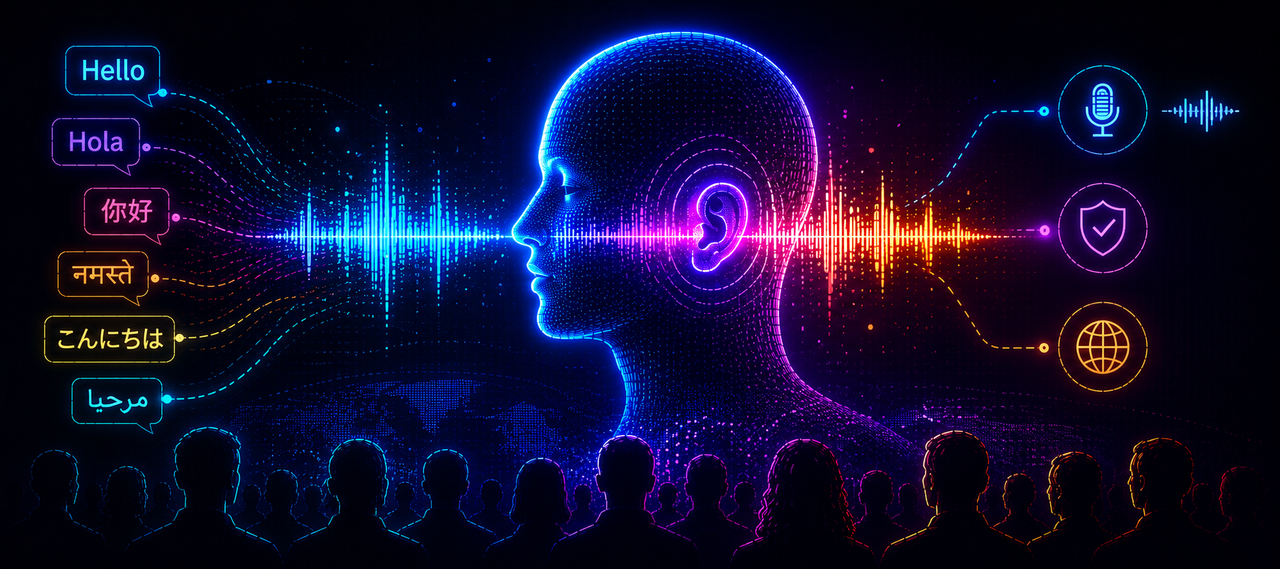
Artificial intelligence has transformed the way people communicate, create content, and interact with digital services. One of the most remarkable developments is AI voice cloning, a technology that can reproduce a person’s voice using recorded speech. While this innovation offers useful applications in entertainment, accessibility, customer service, and content production, it also introduces serious security challenges. Criminals can misuse cloned voices to impersonate family members, company executives, public figures, or financial professionals. As synthetic speech becomes increasingly realistic, identifying whether a voice is genuine or artificially generated has become an important digital safety skill.
AI voice clone detection focuses on identifying audio that has been created or manipulated using artificial intelligence. Modern detection systems analyze acoustic patterns, speech characteristics, background signals, and other clues that may distinguish a synthetic recording from a natural human voice. However, no single technique can reliably identify every generated voice, particularly when the recording is short, compressed, or affected by background noise. Readers exploring emerging security technologies through techloomz com can benefit from understanding how voice detection works, which warning signs deserve attention, and why independent verification remains essential when a recording could influence an important decision.
The growing availability of voice generation tools means that ordinary internet users, businesses, journalists, and content creators all have reasons to understand this subject. Recognizing suspicious audio is no longer limited to cybersecurity specialists. It is becoming part of everyday digital literacy, especially as voice messages and calls are increasingly used for personal communication, banking, workplace instructions, and online entertainment.
What Is AI Voice Clone Detection?
AI voice clone detection is the process of examining audio to determine whether a voice may have been generated, copied, or altered by artificial intelligence. Voice cloning systems typically learn patterns from existing speech recordings, including pronunciation, pitch, rhythm, tone, and vocal texture. After learning these characteristics, a model can produce new speech that sounds similar to the original speaker. Some systems require substantial recordings, while others can generate convincing imitations from relatively limited audio samples.
Detection technology approaches this problem from the opposite direction. Instead of generating speech, a detector searches for evidence that an audio recording may have been synthesized or manipulated. It may examine irregularities in sound production, unusual frequency patterns, inconsistent pronunciation, or subtle artifacts introduced during audio generation. Advanced models can compare these features against patterns learned from genuine and synthetic recordings. Nevertheless, synthetic speech systems continue to improve, meaning that detection methods must also evolve. A recording that appears convincing to a listener may still contain technical clues, while a legitimate recording can sometimes trigger a false alarm.
Why AI Voice Cloning Has Become a Security Concern
The accessibility of generative AI has made realistic voice imitation easier to experiment with than in the past. Audio samples are widely available through public videos, interviews, podcasts, livestreams, and social media posts. These recordings may provide enough material for some voice generation systems to imitate recognizable vocal characteristics. The resulting audio can be used for legitimate purposes, but it can also support scams involving fake emergencies, fraudulent payment requests, misleading endorsements, or impersonation.
Consider a situation in which an employee receives a voice message that appears to come from a senior manager requesting an urgent transfer. The voice sounds familiar, the instructions seem believable, and the message emphasizes confidentiality. Without additional verification, the employee might assume the request is genuine. A similar scenario could involve someone receiving a call that sounds like a relative asking for emergency financial assistance. In both cases, the danger comes from combining convincing audio with emotional pressure and urgency. Understanding these risks helps users recognize why voice identity should never be treated as sufficient proof of authenticity.
How AI Voice Clone Detection Technology Works
Acoustic Feature Analysis
One of the foundations of voice detection is acoustic analysis. Human speech contains numerous measurable characteristics, including pitch variation, resonance, frequency distribution, timing, and changes in vocal intensity. Detection systems examine these characteristics to identify patterns that may be associated with synthetic speech. Some generated voices produce subtle irregularities in transitions between sounds, while others may show unusually consistent pronunciation or unnatural timing.
These signals are not definitive on their own. Real people can speak with a steady rhythm, and synthetic voices can reproduce natural-sounding pauses and expressive changes. Recording equipment, microphone quality, compression, and background noise can also influence the characteristics of audio. For this reason, modern detection systems often combine several features rather than relying on a single suspicious sound. A strong result comes from evaluating the recording as a whole and considering the limitations of the available evidence.
Machine Learning and Deep Learning Models
Machine learning models can be trained using collections of genuine and artificially generated audio. During training, a system learns patterns that help distinguish between different categories of speech. Deep learning approaches may examine detailed representations of audio, including spectrograms, which display how sound frequencies change over time. These representations can reveal differences that are difficult for a person to notice simply by listening.
The reliability of a model depends on its training data, the variety of voice generation methods represented, and its performance on unfamiliar recordings. If a detector has mostly encountered one type of synthetic speech, it may struggle with audio generated by a newer system. This challenge is known as generalization: the ability to make useful predictions about examples that differ from those encountered during training. Users should therefore consider detection results as evidence that informs a decision rather than as an automatic guarantee that a recording is genuine or fake.
Speech Patterns and Natural Variation
Human speech is naturally variable. People change their tone according to emotion, breathing, speaking speed, and conversational context. Synthetic systems attempt to reproduce these qualities, but some recordings may contain unnatural transitions, inconsistent emotional expression, or unusual pronunciation. Detection tools may evaluate these differences alongside other technical features.
However, the absence of obvious irregularities does not prove that a voice is authentic. Advanced cloning systems can reproduce many natural speech characteristics, while tiredness, illness, nervousness, or a poor connection can make a real person’s voice sound unusual. A careful assessment must account for these possibilities instead of assuming that every unexpected vocal characteristic indicates manipulation.
How techloomz com Tools Fit Into Voice Security Awareness
People exploring digital technology through techloomz com may be interested in how emerging AI tools can support safer online behavior. In the context of voice cloning, the most useful approach is to understand the capabilities of audio analysis tools, learn how to evaluate their results, and combine technical checks with sensible verification habits. It is important to distinguish general technology guidance from a dedicated detection service: the availability of a particular voice analysis feature should be confirmed before assuming that a platform provides it.

A practical voice security workflow begins by identifying the reason for checking a recording. A content creator might want to establish whether an audio clip has been altered, while a business may need to investigate a suspicious instruction. The appropriate response differs according to the circumstances. A casual recording might only require further context, whereas a request involving money, passwords, confidential documents, or account access demands stronger verification. Technology discussions associated with techloomz com can help readers build awareness of these situations without treating any single tool as a complete solution.
Users should also understand the difference between a general-purpose AI assistant and a specialized audio forensic system. A general assistant may explain warning signs or help organize an investigation, but that does not mean it can authenticate a voice recording. A specialized detector may provide a probability score or classification, yet its accuracy still depends on the model and recording conditions. Checking a tool’s actual features, privacy policy, supported audio formats, and stated limitations is an important step before uploading sensitive material.
Common Methods for Detecting Synthetic Voices
Several approaches can help people investigate suspicious recordings. Each has strengths and limitations, so combining methods is generally more useful than relying on one signal.
Automated Audio Detection
Automated detectors analyze recordings and estimate whether they contain synthetic or manipulated speech. Depending on the service, they may provide a label, confidence score, or explanation of detected patterns. Such tools can help investigators screen large volumes of audio more efficiently than manual listening alone.
Their results must be interpreted carefully. A confidence score does not necessarily represent the true probability that a specific recording is fake in every real-world situation. Performance can vary when audio has been compressed, shortened, filtered, translated, or generated using an unfamiliar model. Before making a serious accusation or taking a consequential action, users should consider other evidence and, where necessary, seek qualified audio forensic assistance.
Human Listening and Contextual Checks
Careful listening remains useful, especially when combined with contextual verification. A person might notice unusual pauses, strange pronunciation, inconsistent emotion, or abrupt changes in audio quality. Listening with headphones and comparing a recording with legitimate reference material can sometimes reveal differences worth investigating.
Nevertheless, human judgment is vulnerable to familiarity and expectation. A voice that resembles a friend or colleague may feel authentic even when the message is fraudulent. Conversely, a genuine speaker may sound different because of illness, stress, environmental conditions, or a new microphone. Listening should therefore be treated as an initial screening method rather than a final verdict.
Independent Identity Verification
Independent verification is often the most practical defense against voice impersonation. If a caller requests money, account credentials, confidential information, or an urgent change to business procedures, the recipient should verify the request through a separate, trusted communication channel. For example, an employee can contact a manager using a previously established company number rather than relying on the number or contact details supplied in the suspicious message.
The same principle applies to family emergencies. Instead of immediately sending money because a familiar voice requests it, the recipient can contact the person through a known number or speak with another trusted family member. This method does not require the user to determine exactly how the voice was generated. It checks whether the request is legitimate, which is often the more important question.
Comparison of AI Voice Clone Detection Methods
Different detection approaches provide different types of evidence. The following table summarizes their practical uses and limitations.
| Detection method | Main purpose | Important limitation |
|---|---|---|
| Acoustic analysis | Examines pitch, frequency, timing, and sound patterns | Natural voices can also contain unusual patterns |
| Machine learning detector | Identifies patterns associated with synthetic audio | May struggle with unfamiliar generation methods |
| Human listening | Helps identify suspicious speech characteristics | People can be deceived by realistic imitations |
| Reference comparison | Compares audio with known recordings | Genuine voices change across situations |
| Independent verification | Confirms whether a speaker or request is legitimate | Requires access to a trusted alternative channel |
These approaches work best when used together. An automated detector may flag a recording, a listener may notice contextual inconsistencies, and an independent check may establish that the alleged speaker never made the request. Conversely, a detector’s warning may turn out to be a false positive, making additional evidence essential. The objective is not simply to label every recording but to reach a well-supported conclusion while minimizing the risk of mistakenly accusing someone or trusting fraudulent instructions.
Warning Signs That a Voice Message May Be Fake
Although synthetic speech can be difficult to identify, certain circumstances should encourage additional scrutiny. These warning signs are not proof of cloning, but they can help users decide when verification is necessary.
-
The speaker requests immediate payment, gift cards, passwords, or confidential information.
-
The message creates intense pressure by claiming that a family member is in danger or a business opportunity will disappear immediately.
-
The audio contains unusual pronunciation, unnatural transitions, or suspicious changes in sound quality.
-
The speaker refuses ordinary verification and insists that the recipient keep the conversation secret.
The most important warning sign is often the behavior surrounding the message rather than the voice itself. Fraudsters can use genuine recordings, edited audio, or entirely synthetic speech to support a deceptive story. A familiar voice combined with an unusual request should therefore trigger a verification step, even if the recording sounds completely natural.
Privacy and Ethical Considerations in Voice Detection
Voice recordings can contain personal information, confidential discussions, and identifiable characteristics. Uploading a recording to an online detector may expose it to additional processing or storage, depending on the provider’s policies. Before submitting audio, users should check how the service handles uploaded files, whether recordings are retained, whether they may be used to improve models, and whether deletion options are available. Sensitive workplace calls, private family conversations, and recordings containing financial details deserve particular caution.

Consent and fairness also matter. A detector’s output should not automatically be used to accuse an individual of fraud, deny employment, remove legitimate content, or make other serious decisions. False positives can damage reputations, especially for people whose speech patterns differ from the data on which a model was trained. Where the consequences are significant, results should be reviewed alongside the recording’s origin, relevant metadata, independent evidence, and professional analysis when appropriate. Responsible use means protecting people from impersonation without treating imperfect technology as unquestionable authority.
How Businesses Can Strengthen Their Voice Security
Organizations should assume that a convincing voice alone may not establish a person’s identity. This is especially important for finance teams, customer support departments, executives, and employees who handle sensitive information. Businesses can reduce risk by establishing clear procedures for payment approvals, account changes, confidential disclosures, and urgent executive requests. For example, a company can require a second authorized approval for unusual transfers and confirm sensitive instructions through an independently verified channel.
Employee education is equally important. Staff members should understand how voice cloning scams operate and know that verifying a request is a normal security procedure, not an insult to the person making it. Organizations can conduct awareness exercises, document suspicious incidents, and review their verification policies as voice generation technologies change. Tools and guidance discussed through techloomz com can form part of a broader technology education effort, but organizational safeguards should rely on tested procedures rather than assumptions about a particular product’s detection capabilities.
Businesses should also consider how they preserve evidence when a suspicious call occurs. Retaining the original recording where lawful, documenting the time and circumstances, and recording the steps taken to verify the speaker can help an investigation. Altering or repeatedly re-encoding an audio file may remove useful information. When a case involves substantial financial loss, threats, or suspected criminal activity, appropriate security personnel or authorities may need to be involved.
The Future of AI Voice Clone Detection
Voice cloning and detection are developing alongside one another. Generative systems are becoming more capable of reproducing pronunciation, emotional expression, and conversational rhythm, while detection researchers are investigating stronger models and additional ways to establish the origin of digital content. Future systems may combine audio analysis with provenance information, cryptographic signatures, or authenticated recording processes. These methods could help establish where a recording came from, although their effectiveness depends on adoption, implementation, and whether the original content remains verifiable.
No single development is likely to eliminate the problem entirely. Audio may be copied, edited, compressed, or shared without the information needed to establish its history. Detection models can also become less reliable when confronted with techniques that were not represented during testing. As a result, a layered strategy will remain important: improve technical detection, preserve reliable evidence of origin, educate users, and require independent verification for high-risk requests. Staying informed through technology resources such as techloomz com can help readers understand these changes while maintaining realistic expectations about what current tools can achieve.
Conclusion
AI voice clone detection has become an important part of modern digital security because realistic synthetic speech can be used for both valuable innovation and harmful impersonation. Acoustic analysis, machine learning, human listening, reference comparisons, and independent verification each contribute useful information, but none should be considered infallible. The most reliable approach combines technical evidence with an understanding of context and the consequences of acting on a suspicious message. For individuals, the essential habit is to verify unexpected requests involving money, credentials, private information, or urgent decisions through a trusted alternative channel. For businesses, clear approval procedures, employee training, and responsible evidence handling provide additional protection. Readers exploring digital safety through techloomz com should remember that detecting synthetic speech is only one part of the larger challenge. Building secure communication habits and evaluating evidence carefully are equally important as AI voice generation continues to evolve.