

Technology has become an essential part of modern life, influencing how people work, communicate, study, shop, and entertain themselves. Smartphones, laptops, tablets, smartwatches, televisions, and smart home devices have made everyday activities more convenient. However, the growing demand for electronic products has created an environmental challenge that deserves greater attention: electronic waste, commonly known as e-waste. As consumers replace outdated gadgets with newer models, millions of electronic products eventually become unwanted, increasing the need for responsible collection, repair, reuse, and recycling.
E-waste recycling plays an important role in developing sustainable technology habits. Instead of throwing broken or outdated electronics into ordinary rubbish, consumers can help recover valuable materials and reduce environmental risks through appropriate disposal. Electronic devices contain reusable metals, plastics, glass, and other components, but some also contain hazardous substances that require careful handling. Recycling these products through suitable facilities helps prevent pollution while reducing the demand for newly extracted resources. As discussed through techloomz com, sustainable technology involves making responsible decisions throughout the entire life cycle of electronic devices.
In today’s digital environment, environmental awareness is becoming increasingly important for individuals, businesses, manufacturers, and communities. Responsible technology use is not limited to purchasing energy-efficient products. It also involves maintaining existing devices, avoiding unnecessary upgrades, protecting personal information, and ensuring that unwanted electronics reach appropriate collection facilities. By developing these habits, consumers can enjoy modern technology while contributing to a cleaner and more resource-efficient future.
Understanding E-Waste and Its Environmental Impact
Electronic waste includes discarded products that depend on electrical power or electronic components to function. Common examples include mobile phones, computers, printers, chargers, batteries, televisions, routers, and various smart home devices. Even small accessories can contribute to the problem when consumers frequently replace them or dispose of them without considering their environmental impact.
One major reason for increasing e-waste is the rapid replacement of electronic products. Consumers may upgrade smartphones because of new features, while businesses replace computers to meet changing performance and security requirements. Devices can also become unwanted because of damaged batteries, limited software support, expensive repairs, or compatibility problems. Although technological progress provides many benefits, unnecessary replacement increases manufacturing demand and generates additional waste. Understanding these patterns helps consumers recognise why responsible purchasing and longer device lifespans matter.
Electronic waste requires special attention because electronic products contain complex combinations of materials. Copper, aluminium, steel, and certain precious metals can be recovered, while some plastics and glass may also be recycled. However, electronic equipment can contain lead, mercury, cadmium, and other potentially hazardous substances. Improper dismantling, burning, or dumping may release harmful pollutants into the environment and expose workers to dangerous materials. Proper collection and processing help reduce these risks while preserving useful resources.
The Importance of E-Waste Recycling for Sustainable Technology
Reducing Pollution and Protecting Natural Resources
Responsible recycling reduces the amount of electronic waste sent to landfills and unsuitable disposal sites. When electronics are processed without appropriate safeguards, hazardous materials may contaminate nearby soil, air, and water. Open burning can release toxic fumes, while uncontrolled dismantling may expose workers to dangerous dust and chemical residues. Suitable recycling facilities use appropriate methods to separate materials, manage hazardous components, and recover resources safely.
Recycling also supports natural resource conservation. Manufacturing electronic products requires raw materials that must be extracted, refined, processed, and transported. Recovering metals from discarded equipment can reduce dependence on newly mined resources, although recycled materials cannot replace every raw material requirement. The environmental benefits depend on collection rates, recovery efficiency, transportation, and processing methods. Nevertheless, keeping valuable materials in circulation is an important step towards more responsible resource consumption.
Reducing the Environmental Footprint of Electronics
The environmental impact of an electronic device begins long before it reaches the consumer. Mining, component manufacturing, assembly, packaging, and transportation all require energy and resources. For many electronic products, manufacturing contributes substantially to their overall life-cycle environmental footprint. Extending the useful life of an existing device can therefore be an effective way to reduce the need for replacement products.
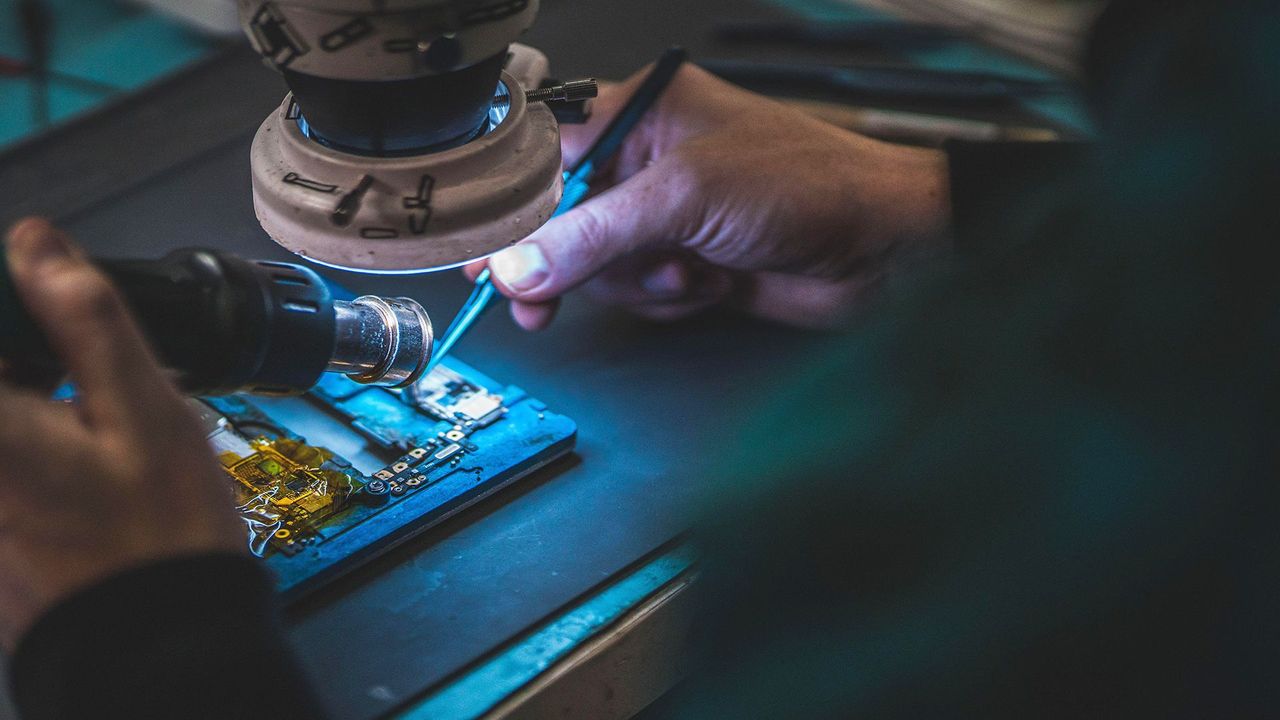
For example, a laptop may still perform everyday tasks efficiently even when its battery becomes weak or its storage capacity is limited. Replacing the battery or upgrading the storage could allow the owner to continue using the computer instead of buying a new one. This delays the environmental costs associated with manufacturing another device. When the laptop eventually becomes unusable, responsible recycling can recover some of its materials. This approach demonstrates how repair, reuse, and recycling work together to support sustainable technology habits.
Practical Ways to Develop Sustainable Technology Habits
Sustainable technology does not require people to stop using modern electronics. Instead, it involves making thoughtful decisions throughout the ownership cycle. Before purchasing a new smartphone, laptop, or tablet, consumers can consider whether their existing device still meets their needs. If an upgrade is necessary, choosing a durable product with accessible repair options, replaceable components, and longer software support may help reduce premature replacement.
Regular maintenance can also extend the life of electronic products. Keeping devices clean, avoiding extreme temperatures, using compatible chargers, installing security updates, and protecting equipment from physical damage can prevent avoidable problems. Battery health may also benefit from following the manufacturer’s charging and storage guidance. Although maintenance cannot prevent every technical failure, it can help consumers obtain more value from their purchases.

Another useful habit is establishing a dedicated collection point for unwanted electronics at home or in the workplace. Consumers can periodically identify which products remain useful, which can be repaired, and which should be recycled. Working devices may be donated or resold after their personal data has been securely removed. Equipment that cannot be reused should be directed to an appropriate collection or recycling programme.
These simple habits can make responsible technology use part of everyday life:
- Repair electronic products when doing so is safe, practical, and economical.
- Choose durable devices with suitable repair and software support.
- Donate or resell working electronics instead of discarding them unnecessarily.
- Use appropriate e-waste collection facilities for products that cannot be reused.
- Avoid unnecessary upgrades when existing devices continue to meet your needs.
When these practices become routine, consumers can reduce avoidable waste without sacrificing the convenience of modern technology. The key is to consider the environmental consequences of purchasing and disposal decisions before they become problems.
How to Dispose of Electronic Waste Responsibly
Correct disposal begins with identifying the most suitable option for each electronic product. A working smartphone, computer, or tablet may be suitable for resale, donation, refurbishment, or reuse by another family member. Equipment that no longer functions properly may still be repairable, particularly when the problem involves a replaceable battery, damaged charging port, or another accessible component. If repair is impractical, recycling is generally preferable to placing electronics in ordinary household rubbish.
Consumers should look for authorised e-waste collection centres, manufacturer take-back programmes, retailer collection schemes, or other locally approved disposal services. In India, electronic waste is covered by a regulatory framework that establishes responsibilities for relevant producers and other stakeholders. Consumers can check locally available collection options and confirm which products a facility accepts before visiting. Using appropriate channels helps ensure that electronic equipment enters a more responsible waste-management process.
Some products require additional care. Lithium-ion batteries, particularly damaged or swollen ones, can create fire risks if punctured, crushed, or handled incorrectly. They should not be placed in ordinary rubbish or dismantled at home. Instead, follow the manufacturer’s safety instructions and seek guidance from an appropriate battery or e-waste collection service. Televisions, monitors, and other specialised electronic products should also be handled through suitable recycling channels.
Responsible disposal involves more than simply getting rid of unwanted equipment. Consumers should protect personal information, follow battery safety instructions, and select a suitable collection method. Through the sustainable technology perspective promoted by techloomz com, responsible disposal becomes an important connection between environmental protection and digital responsibility.
Protecting Personal Data Before Recycling Electronics
Electronic waste management also involves cybersecurity. Smartphones, tablets, computers, external drives, and smart home products can retain personal information long after their owners stop using them. This information may include photographs, saved passwords, contact details, financial records, work documents, and account credentials. Disposing of a device without preparing it properly can create privacy risks if someone gains access to its storage.
Before recycling or transferring ownership of a device, users should back up important files and sign out of relevant accounts. They should then follow the manufacturer’s instructions to perform a factory reset or securely erase stored information. SIM cards and removable memory cards should be removed, and linked devices should be disconnected from personal accounts when appropriate. These steps are particularly important when selling or donating smartphones and computers.
A factory reset may be sufficient for many consumer devices, but it does not provide identical protection in every situation. The appropriate method depends on the device, storage technology, and sensitivity of the information. Businesses handling confidential records may require verified data-sanitisation procedures or specialist services. Consequently, techloomz com readers should understand that sustainable disposal involves protecting both the environment and the information stored on electronic products.
The Role of Businesses and Manufacturers in E-Waste Recycling
Individuals can make meaningful contributions, but businesses and manufacturers also influence the future of electronic waste management. Organisations frequently purchase computers, phones, monitors, printers, and networking equipment in large quantities. Without a clear disposal policy, outdated equipment can accumulate in storage rooms or enter unsuitable waste streams. A structured asset-management programme helps businesses track equipment, plan upgrades, assess repair options, and arrange responsible disposal.
Companies can begin by reviewing their replacement practices. A computer should not automatically be discarded simply because a newer model becomes available. If an existing device meets performance, compatibility, and security requirements, extending its useful life may be more economical and environmentally responsible. When replacement becomes necessary, businesses can consider refurbishment, resale, donation, and authorised recycling. Maintaining appropriate disposal records can also improve accountability and support sustainability reporting.
Manufacturers influence e-waste generation through product design, repairability, spare-parts availability, software support, and take-back programmes. Electronics designed for easier maintenance and disassembly may be simpler to repair or recycle. Clear material identification and accessible technical information can help recycling facilities process equipment more efficiently. Manufacturers can also support resource recovery by incorporating suitable recycled materials into new products.
However, recycling programmes cannot resolve every challenge independently. Products must be collected efficiently, facilities require suitable technology, and recovered materials must meet manufacturing requirements. Product durability, repair services, consumer education, and responsible recycling systems need to work together. This coordinated approach supports a technology industry that continues to innovate while managing its environmental responsibilities.
Emerging Trends in Electronic Waste Management
Smarter Collection and Material Recovery
Digital tools are creating new opportunities to improve electronic waste collection and processing. Businesses can use asset-tracking systems to identify unused equipment, schedule collection, and maintain records of products reaching the end of their useful lives. Data-driven planning can help organisations estimate waste volumes, organise transport, and improve the efficiency of recycling operations.
Automated sorting systems and advanced recovery technologies can also improve the separation of certain metals, plastics, and electronic components. Artificial intelligence may support equipment identification, image recognition, and sorting decisions in suitable facilities. However, these technologies are not universal solutions. Their effectiveness depends on the type of waste, processing infrastructure, operating costs, and the ability to handle hazardous materials safely.
The Growth of Refurbished Technology and Circular Practices
The circular economy offers another important direction for sustainable electronics. Instead of following a simple pattern of manufacturing, purchasing, and disposal, a circular approach aims to preserve product value for as long as possible. Repair, refurbishment, resale, component recovery, and recycling all contribute to this goal, although they serve different purposes. Keeping a functional device in use often preserves more of its original value than dismantling it solely for materials.
Refurbished electronics can make technology more accessible to students, small businesses, and budget-conscious households. For example, a properly tested refurbished laptop may provide sufficient performance for education, research, and routine office work without requiring the manufacture of a completely new computer. Buyers should still assess battery condition, warranty coverage, repair history, and software support before purchasing. A low price is not necessarily the best long-term value if the product is unreliable or no longer receives essential security updates.
As awareness grows, consumers can evaluate electronics according to durability, repairability, energy efficiency, and end-of-life options instead of focusing only on price and performance. This broader perspective helps people balance digital convenience with environmental responsibility and economic value.
Challenges That Limit Effective E-Waste Recycling
Despite growing awareness, several obstacles continue to limit effective e-waste recycling. Consumers may not know where to take unwanted electronics, while convenient collection facilities may be unavailable in some areas. Some people keep obsolete devices because they fear losing personal information, while others discard electronics with ordinary household waste because recycling appears complicated. Informal recycling practices can also expose workers to hazardous materials when equipment is dismantled without suitable protective measures or environmental controls.
Another challenge is the complexity of modern electronic products. A single device may contain numerous materials assembled in ways that make separation difficult. Some components are expensive to recover, and the quantity of valuable material in an individual product may be too small to justify processing without an efficient collection system. Rapid changes in electronic design also require recycling facilities to adapt their equipment and processing methods.
Addressing these challenges requires cooperation between governments, producers, recyclers, retailers, businesses, and consumers. Public education can explain safe disposal practices, while convenient take-back systems can make recycling easier. Appropriate regulations and enforcement can encourage responsible management, and better product design can improve repairability and material recovery. Consumers also contribute by avoiding unnecessary purchases and choosing responsible disposal methods when devices reach the end of their useful lives.
Conclusion
E-waste recycling is an essential part of building a more sustainable digital future. As electronic devices become increasingly important in everyday life, responsible purchasing, regular maintenance, repair, reuse, and proper disposal can help reduce unnecessary waste. Recycling allows valuable materials to be recovered while supporting safer management of electronic products that may contain hazardous substances. These practices can benefit the environment while encouraging more thoughtful consumption. However, recycling should not be the only goal. Extending the life of existing devices, choosing durable products, repairing equipment when practical, and avoiding unnecessary upgrades can help prevent waste before it occurs. Consumers should also protect their personal information before donating, selling, or recycling electronics. Businesses and manufacturers have an equally important role in developing durable products, supporting repairs, improving collection systems, and making material recovery more effective.